

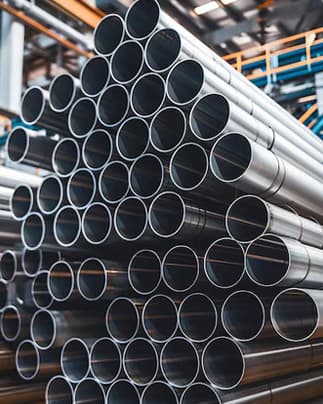
Aluminium Pipes: Lightweight, High-Conductivity & Corrosion-Resistant Tubing
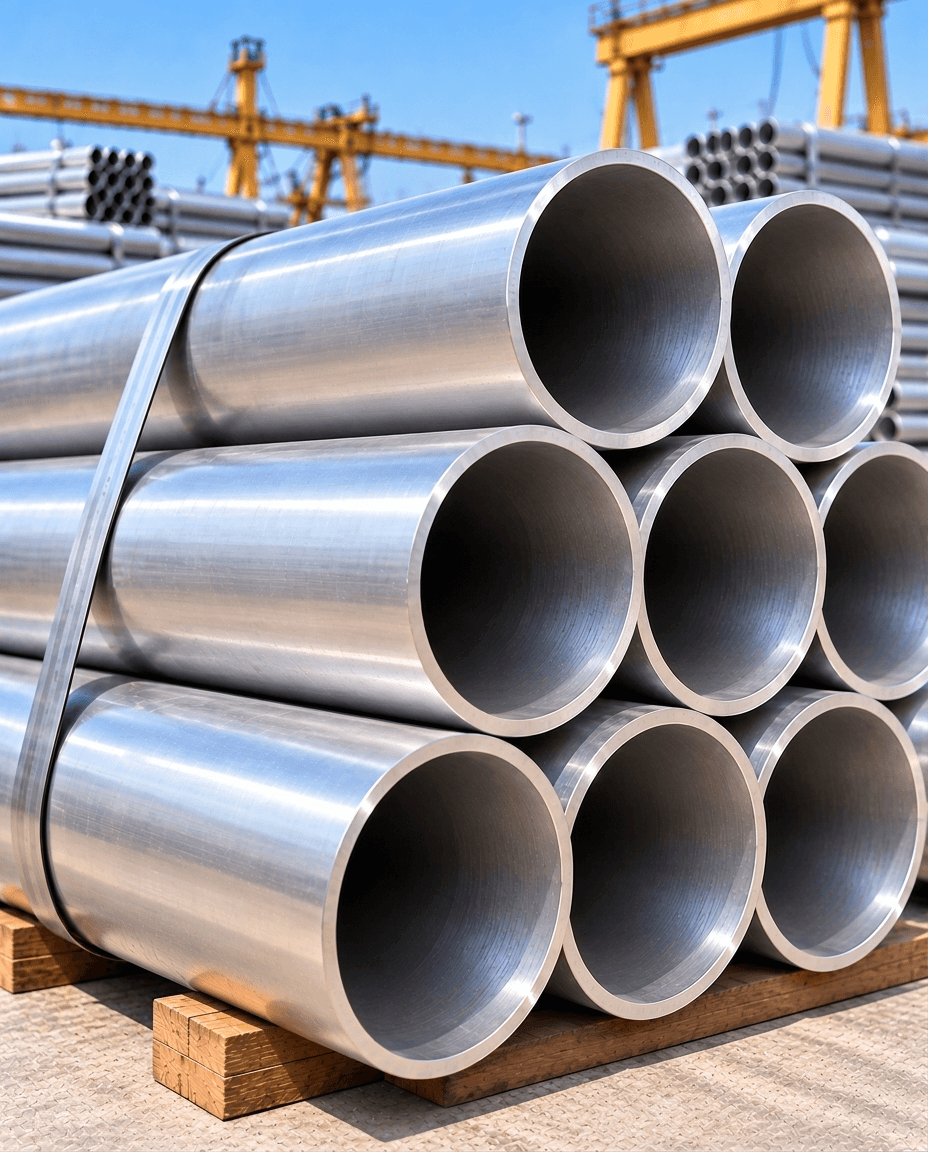
Aluminium pipes are valued for their lightweight construction, corrosion resistance, thermal conductivity and ease of fabrication.
Available in different aluminium alloys and manufacturing configurations, they are suitable for industrial equipment, structural applications, heat transfer systems and other applications where the material properties meet the operating requirements.
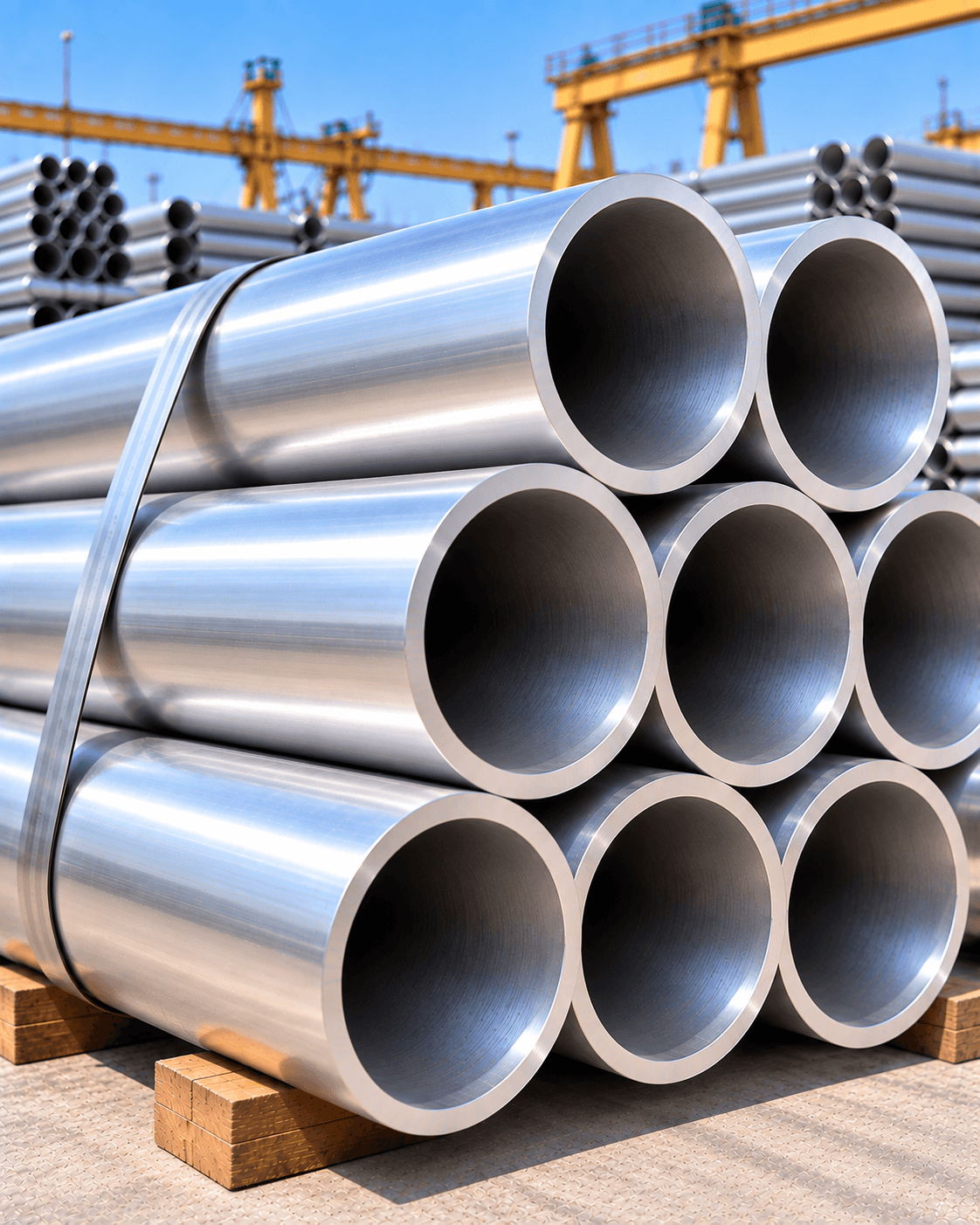
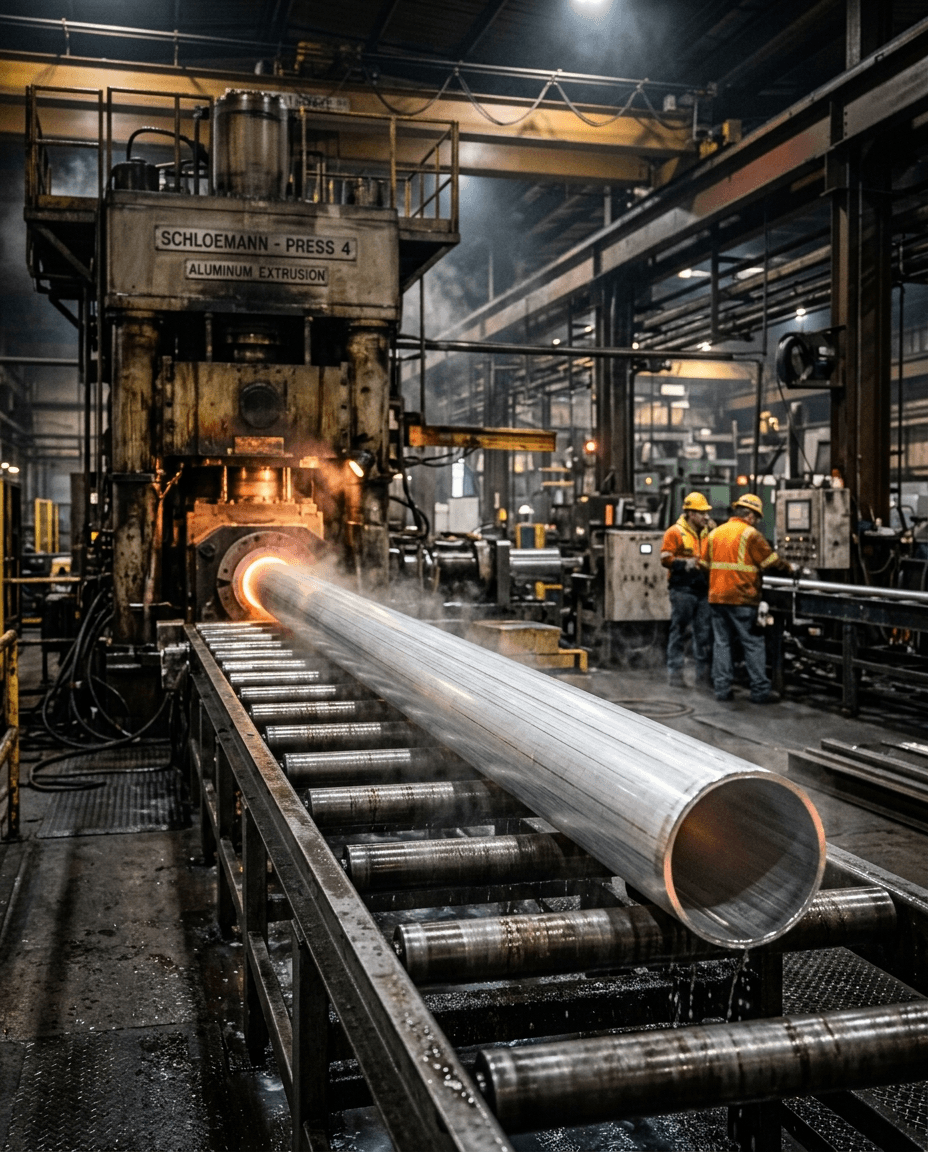
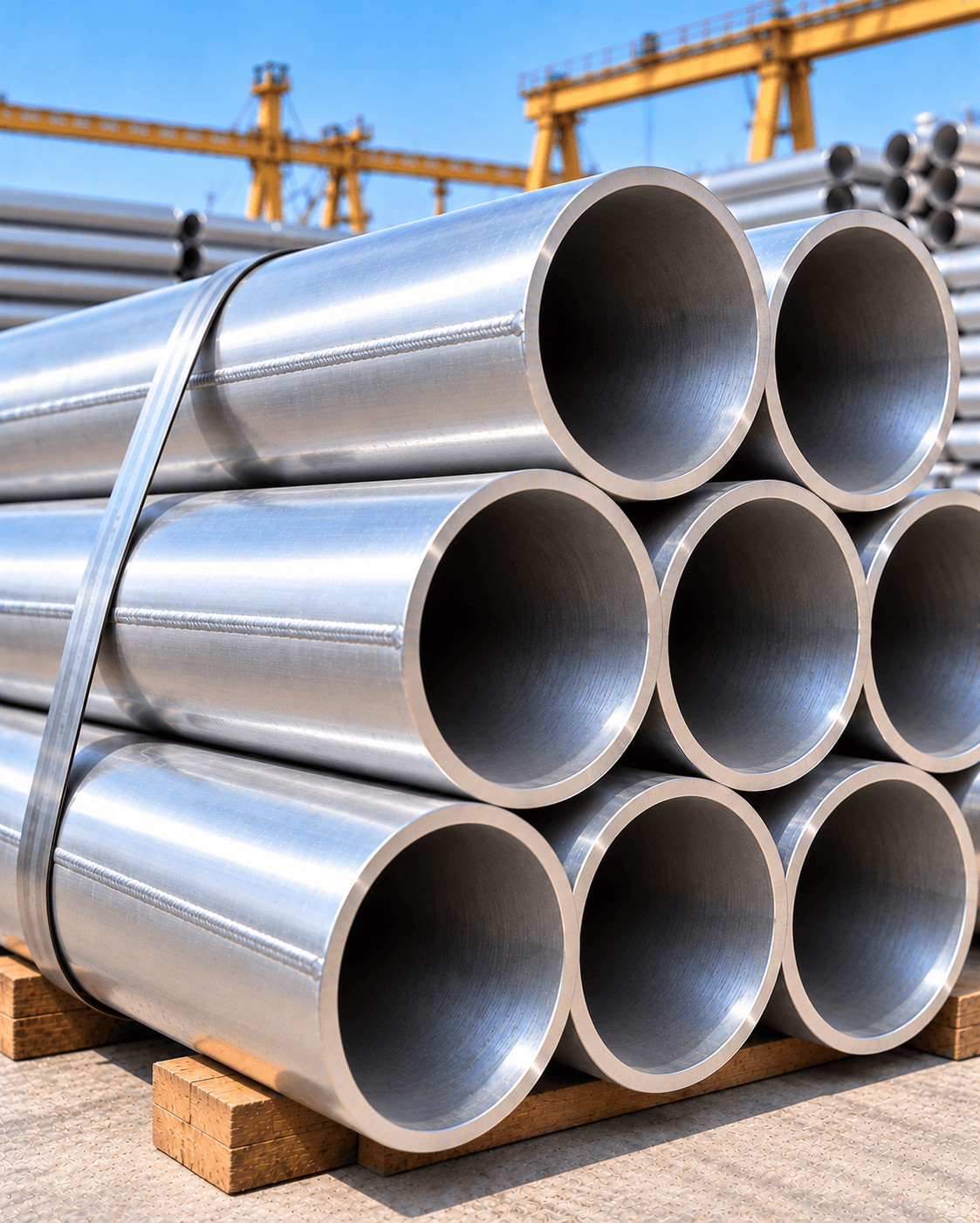
The main types include Seamless Aluminium Pipes, Extruded Aluminium Pipes, Welded Aluminium Pipes and aluminium alloy pipes in different tempers. Each type offers different mechanical and manufacturing characteristics and is selected according to application requirements and applicable material standards.
Advantages of Aluminium Pipes
Engineered for maximum operational reliability, high structural integrity, and economic efficiency across challenging applications.
Lightweight Construction
Weighing roughly one-third of steel, aluminium drastically reduces overall structural deadload, shipping expenses, and field handling effort.
Corrosion Resistance
Naturally forms an instantaneous, self-healing protective oxide barrier that resists atmospheric moisture, harsh weather, and industrial chemicals.
Thermal Conductivity
Superior heat dissipation and thermal transfer efficiency make it ideal for heat exchangers, radiators, chillers, and HVAC lines.
Easy Fabrication
Supports precise CNC cutting, bending, threading, punching, and clean TIG/MIG welding using established aluminium procedures.
Versatile Applications
Supplied across a broad spectrum of structural and marine alloys, tailored tempers, wall thicknesses, and custom diameters.
High Recyclability
100% infinitely recyclable with minimal remelting energy, supporting sustainable green building and circular industrial practices.
Types of Aluminium Pipes
Each type offers different mechanical and manufacturing characteristics and is selected according to application requirements and applicable material standards.
Technical Specifications & Standards
Aluminium pipes are available in different alloy grades, dimensions and tempers, depending on the intended application.
| Material Grades | Aluminium Alloys 6061, 6063, 6082, 5052, 5083, 7075, and 1050 / 1060 series |
| Applicable Standards | ASTM B210, ASTM B221, ASTM B241, ASTM B429, EN 755, and IS 738 specifications |
| Pipe Sizes | Outside diameters from 6mm (1/4") up to 500mm (20") in standard and custom schedules |
| Wall Thickness | 0.8mm to 25mm thickness depending on diameter and extrusion/drawn classification |
| Manufacturing Types | Seamless cold drawn, hot extruded, and longitudinal welded configurations |
| Tempers & Heat Treatment | O (annealed), H14, H32, T4, T5, T6, T651 solution heat-treated and artificially aged |
| Surface Finish | Mill finish, clear/color anodised, powder coated, chemical etched, or polished |
| Quality Testing | Spectro chemical analysis, tensile testing, eddy current / ultrasonic testing, and hydrostatic testing |
Major Industrial Applications
Aluminium pipes are commonly used in automotive engineering, aerospace applications, heat exchangers, HVAC systems, structural fabrication, industrial equipment and selected fluid handling systems.
Automotive Engineering
Lightweight chassis subframes, crash management tubes, drive shafts, and fuel lines.
Aerospace & Defense
High-strength 6061/7075 hydraulic conduits, pneumatic tubing, and airframe spars.
Heat Exchangers & HVAC
Evaporator coils, condenser cooling lines, radiators, and industrial refrigeration.
Structural Fabrication
Architectural curtain walls, scaffoldings, signage trusses, and marine handrails.
Industrial Equipment
Pneumatic cylinder barrels, robotic arms, conveyor rollers, and textile machinery.
Fluid & Compressed Air Lines
Modular calibrated compressed air distribution systems and non-corrosive fluid flow.
Why Choose Apex Engineering for Aluminium Pipes?
In severe service networks, choosing a certified manufacturer guarantees precise tolerances and complete reliability for Aluminium Pipes.
Lightweight Construction
Weighing roughly one-third of steel, aluminium drastically reduces overall structural deadload, shipping expenses, and field handling effort.
Corrosion Resistance
Naturally forms an instantaneous, self-healing protective oxide barrier that resists atmospheric moisture, harsh weather, and industrial chemicals.
Thermal Conductivity
Superior heat dissipation and thermal transfer efficiency make it ideal for heat exchangers, radiators, chillers, and HVAC lines.
Easy Fabrication
Supports precise CNC cutting, bending, threading, punching, and clean TIG/MIG welding using established aluminium procedures.
Versatile Applications
Supplied across a broad spectrum of structural and marine alloys, tailored tempers, wall thicknesses, and custom diameters.
High Recyclability
100% infinitely recyclable with minimal remelting energy, supporting sustainable green building and circular industrial practices.
Frequently Asked Questions
Key questions and answers regarding Aluminium Pipes alloys, tempers, and manufacturing standards.
Aluminium 6061-T6 contains magnesium and silicon with small additions of copper and chromium, offering high tensile strength (approx. 310 MPa) suitable for structural and heavy mechanical components. 6063-T6 has slightly lower strength but produces exceptional surface finishes, making it the premier choice for architectural extrusions and conduit.
Looking for Aluminium Pipes for Your Industrial Project?
Contact our team with your required alloy grade, size, wall thickness, manufacturing type and quantity to discuss product availability and technical specifications. We offer reliable solutions with superior quality and competitive pricing.